Protective hairstyles for thin hair should reduce tension, not add it. Thin hair breaks easily and needs gentle handling. The goal is low manipulation and minimal weight. Tight braids or heavy extensions can cause damage. Lightweight styles work best. You want protection without pulling at the scalp. With the right approach, you can protect your strands while still looking polished. Healthy hair growth depends more on care and tension control than length alone.
Why Protective Hairstyles for Thin Hair Need Extra Care
Thin hair has less density. That means less support at the roots. Heavy styles create strain and lead to breakage. Lightweight options reduce stress on fragile strands.
Moisture also matters. Thin hair dries quickly and tangles easily. Protective styles should keep ends tucked while allowing airflow. Balance is key. Protection should strengthen, not weaken your hair.
Gentle Protective Hairstyles for Thin Hair
Loose Low Braids
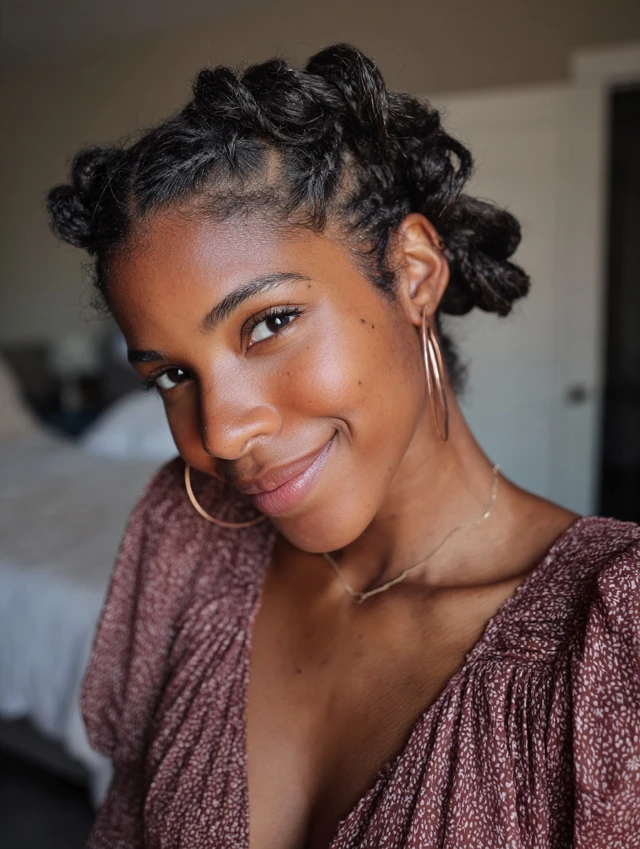
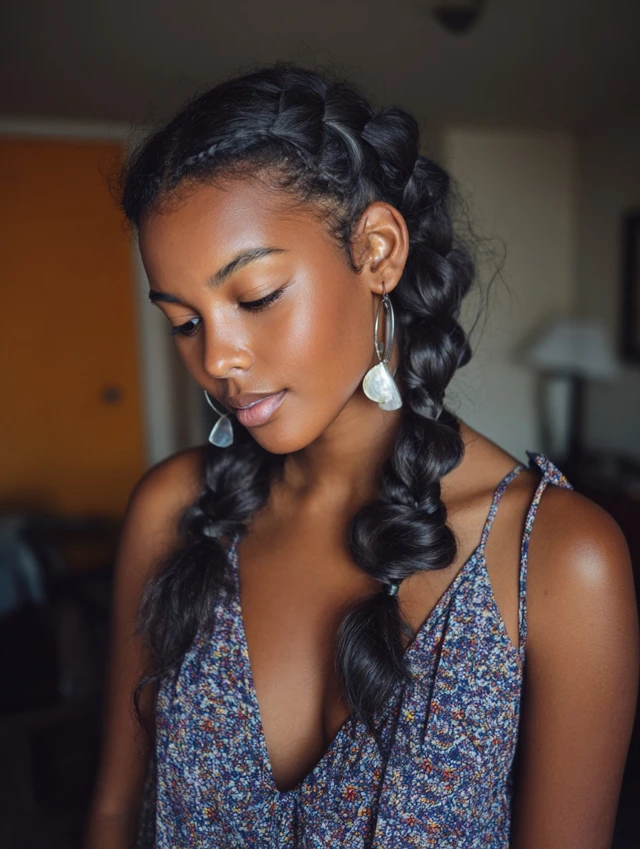
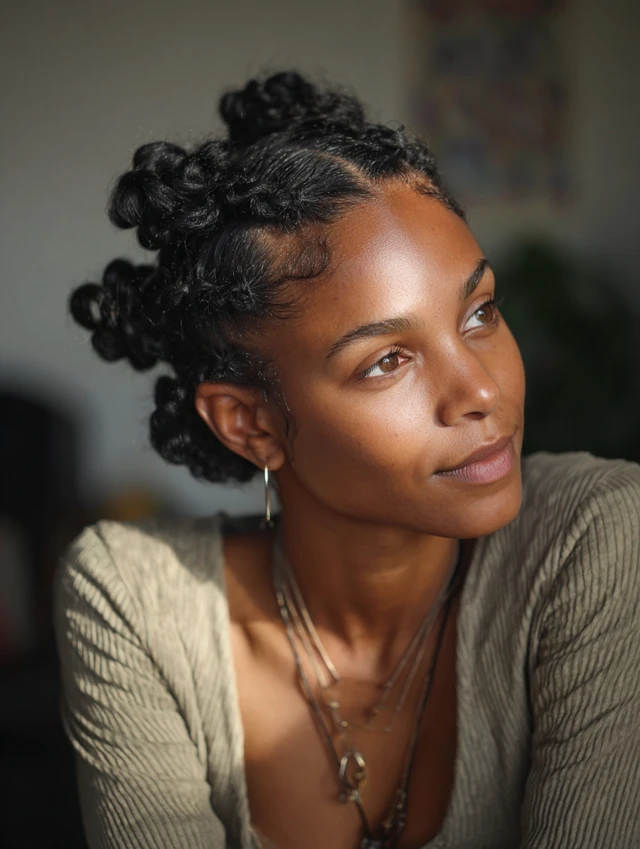
Low braids sit comfortably at the nape. This style suits medium to long thin hair. It keeps ends tucked and reduces friction.
1
2
3
4
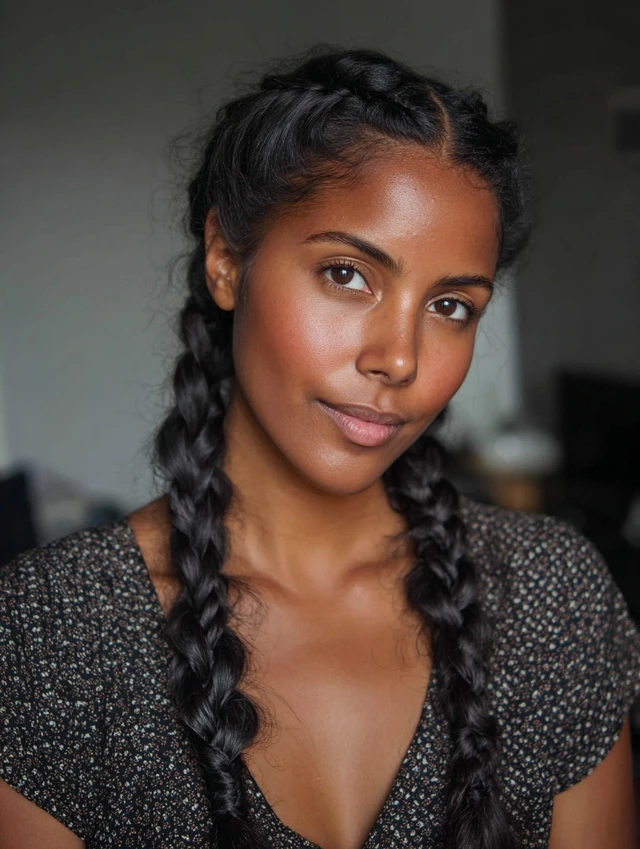
Braid loosely to avoid tension. Secure with soft elastics. This style works for everyday wear and sleep protection. It’s simple and low stress on the scalp.
Flat Twists Without Extensions
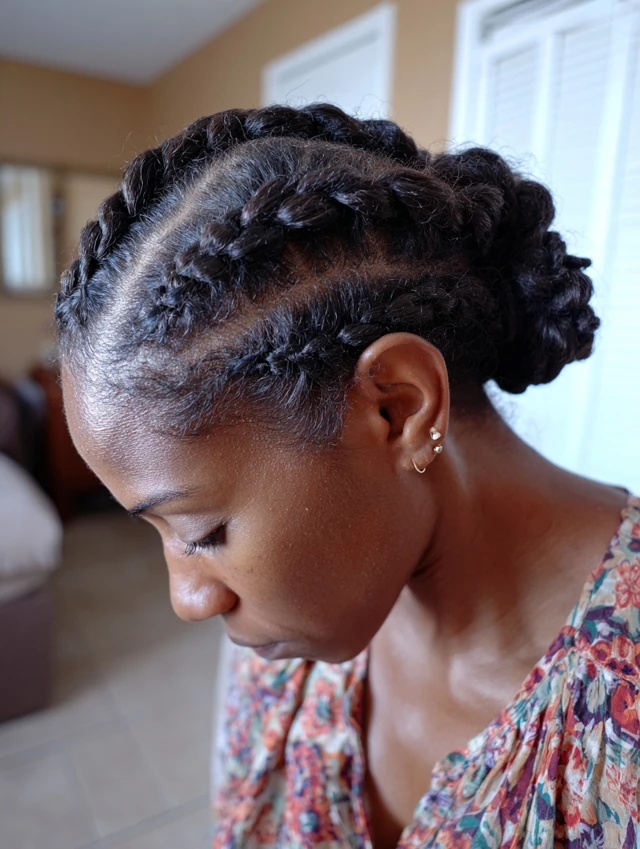
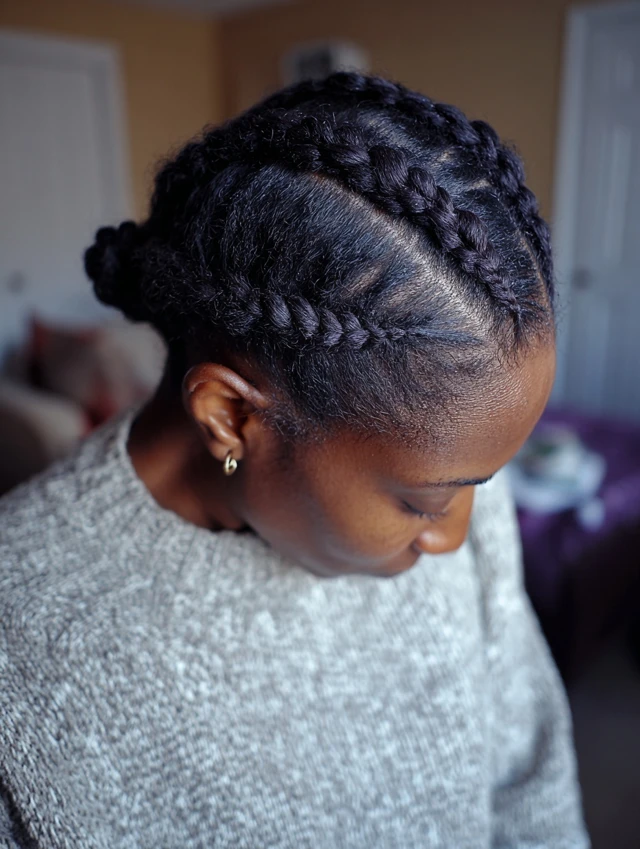
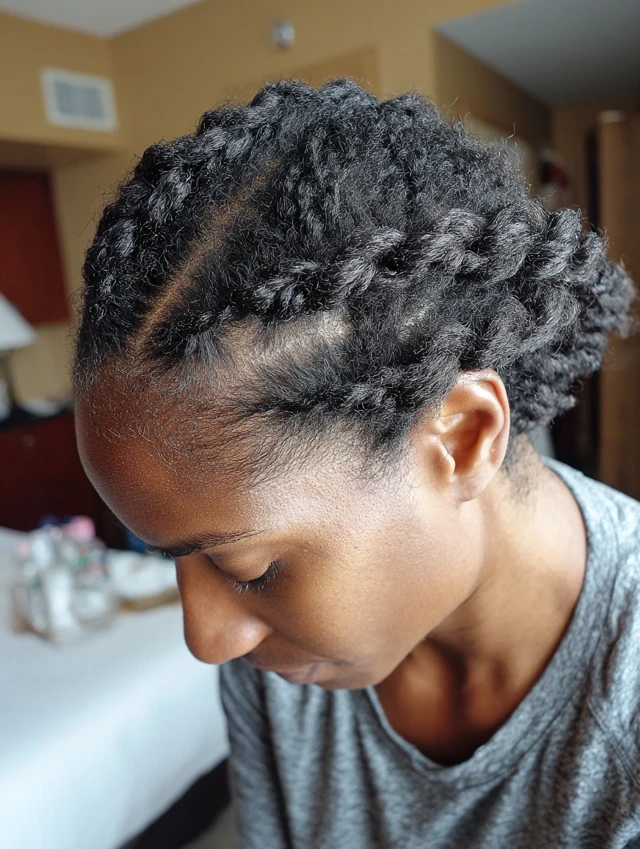
Flat twists protect strands without adding weight. This style suits natural thin hair especially well. The flat design reduces pulling.
1
2
3
4
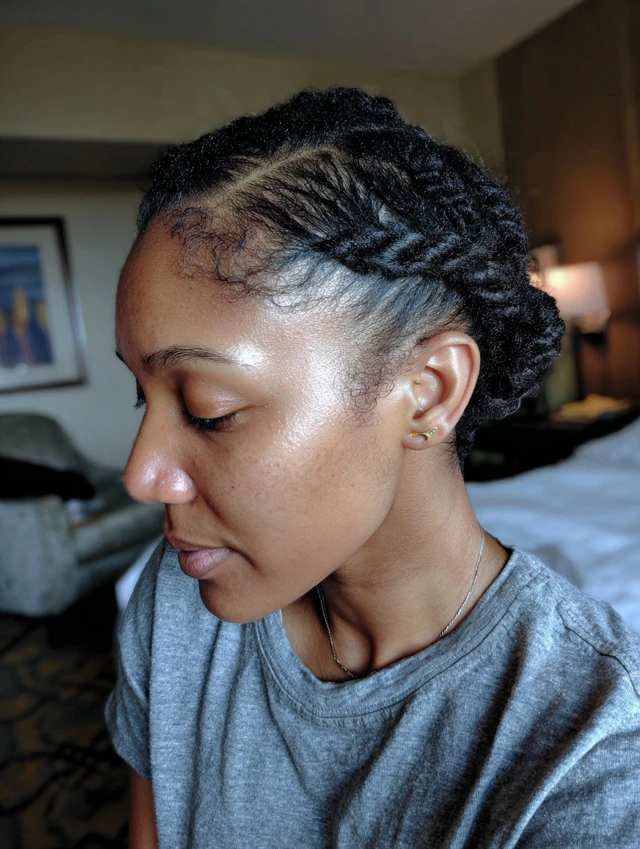
Keep twists medium-sized and not too tight. Moisturize before styling. This option works for busy routines and protects fragile edges.
Low Loose Bun
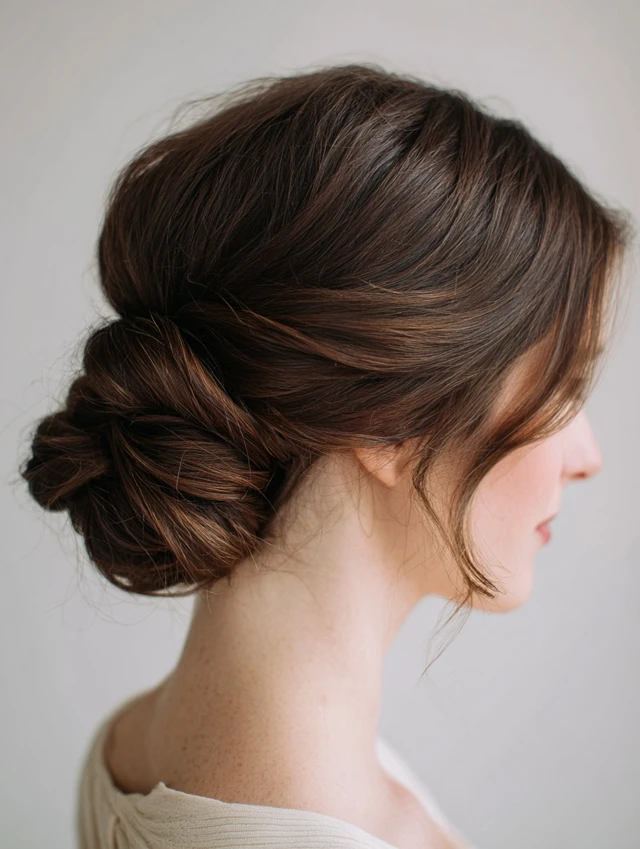
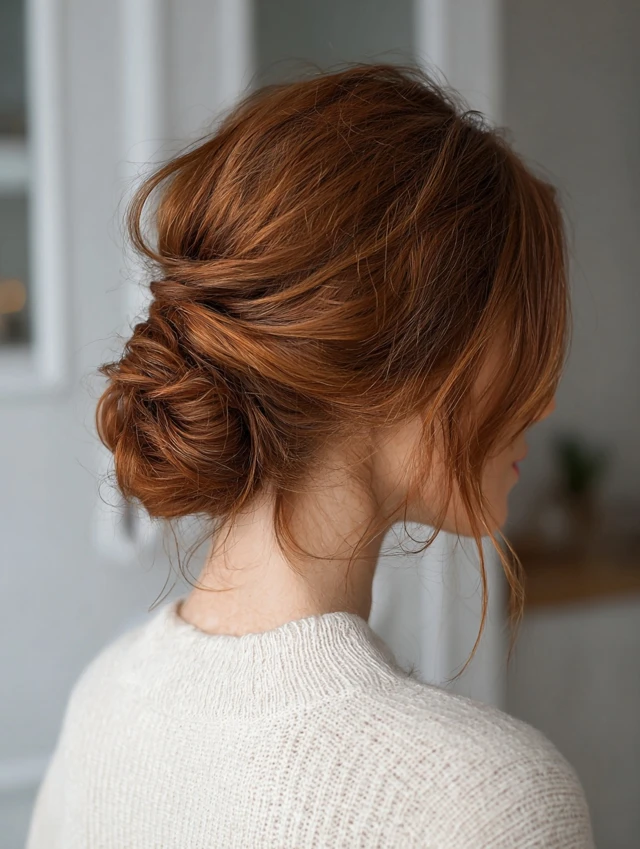
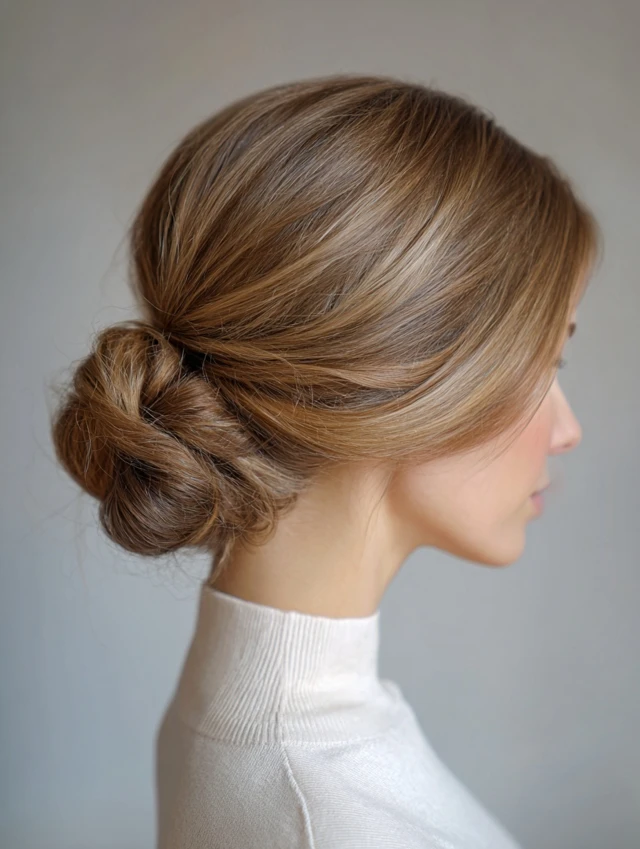
A low bun works if it stays soft and flat. It suits shoulder-length thin hair. High buns often strain roots, so placement matters.
1
2
3
4

Twist gently and secure with pins instead of tight bands. This style fits work and casual settings. It protects ends while staying comfortable.
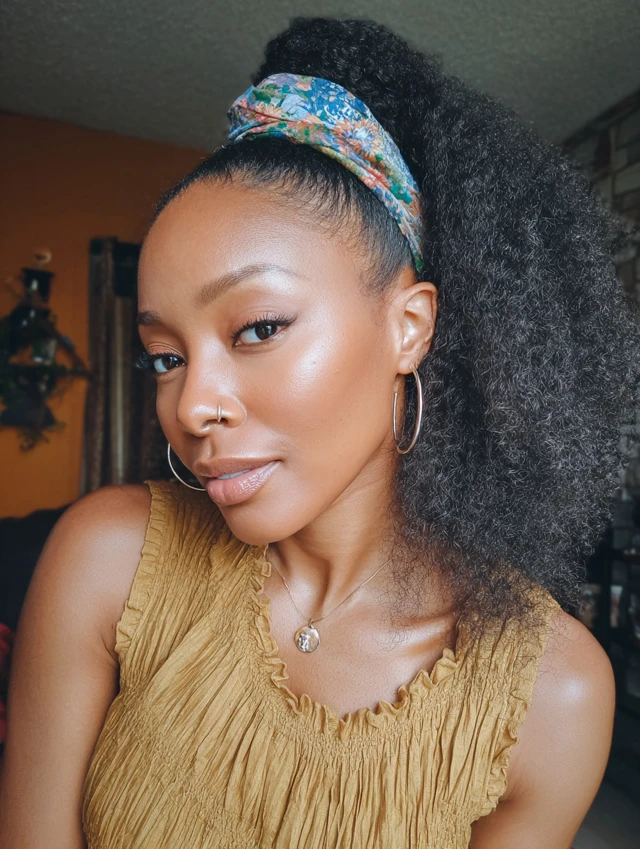
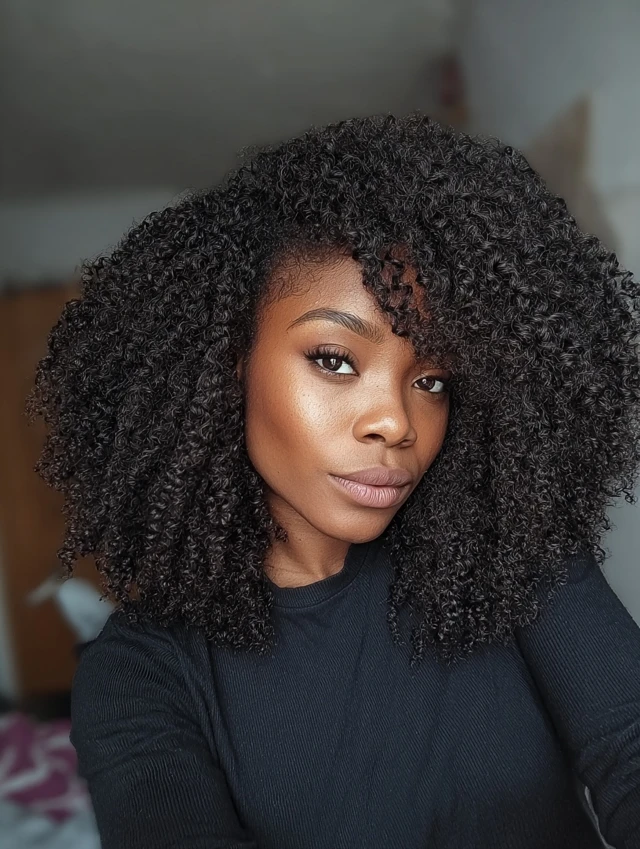
Lightweight Crochet Style
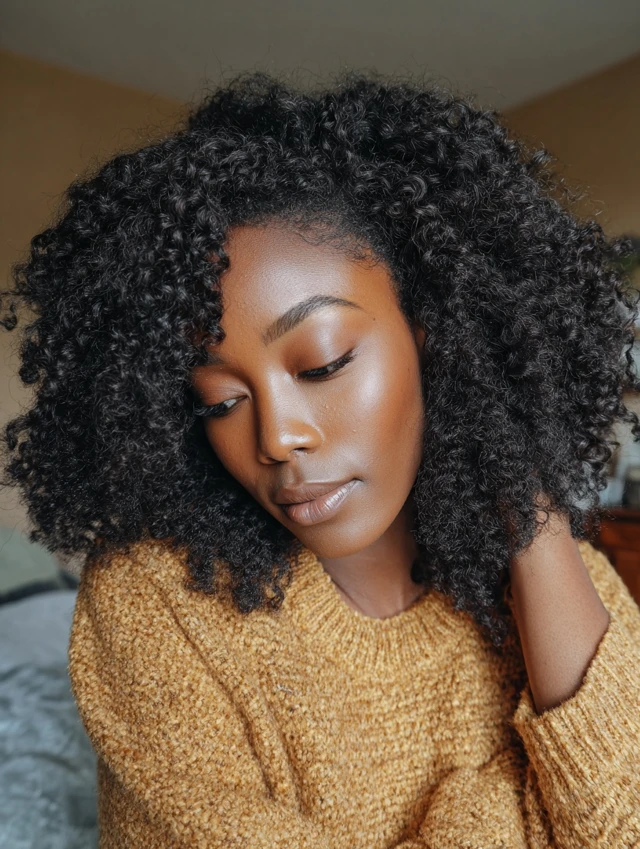
If you use crochet hair, choose lightweight fibers. This style suits women who want fullness without heavy tension.
1
2
3
4
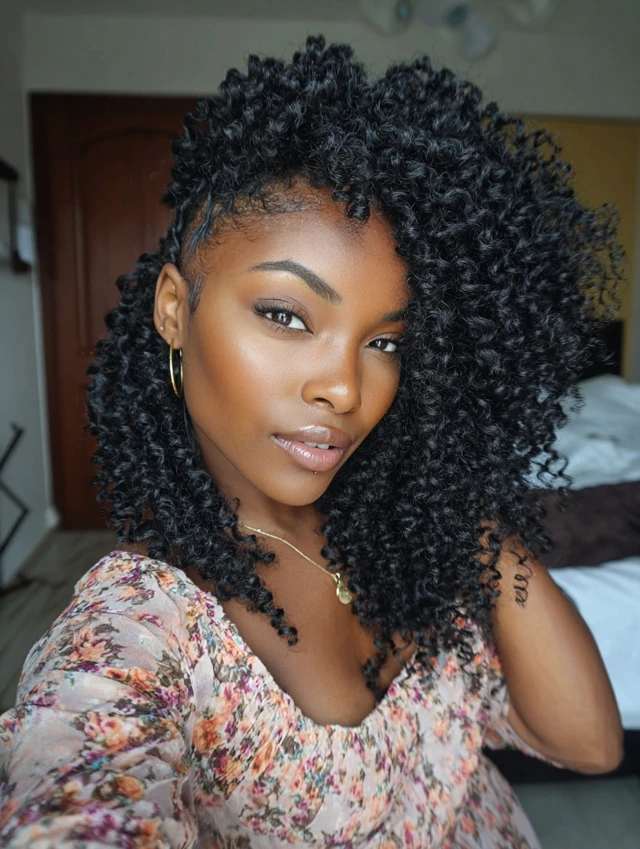
Install with loose braiding underneath. Avoid thick extensions. This option gives a fuller look while protecting natural strands.
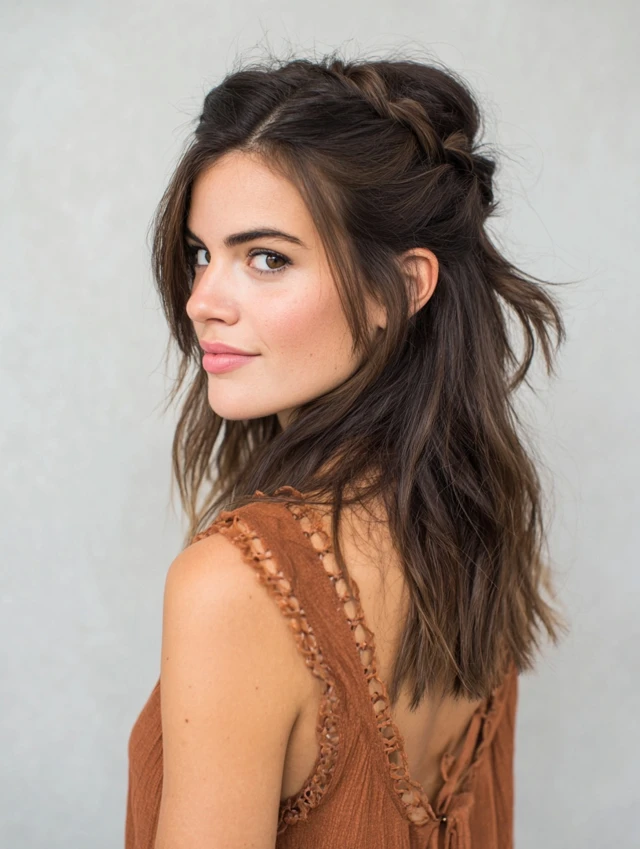
Half-Up Protective Style
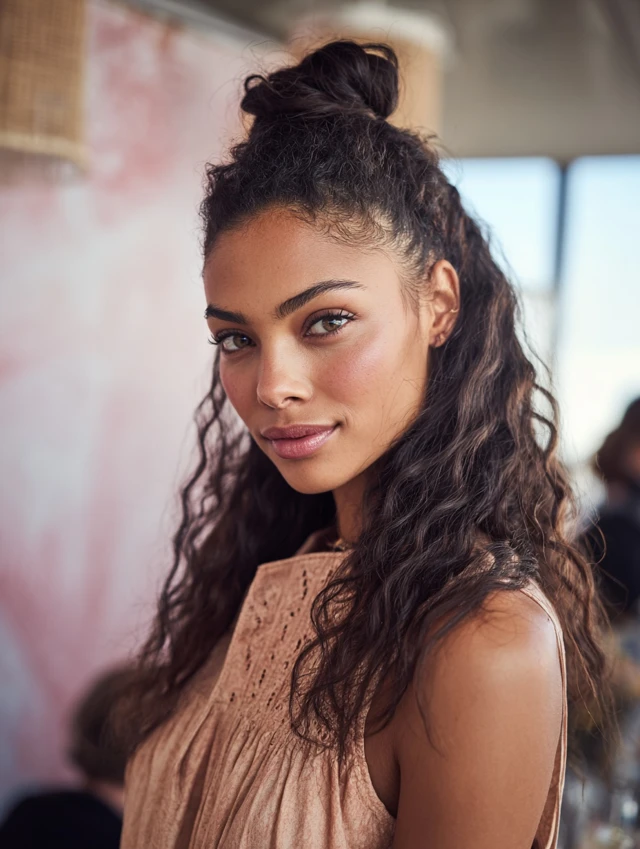
A half-up style reduces strain compared to full ponytails. It suits thin wavy or straight hair. The bottom remains loose, reducing pressure.
1

2
3
4

Use soft hair ties and avoid tight pulling. This look works for daily wear. It balances style and protection.
Scarf or Headwrap Style
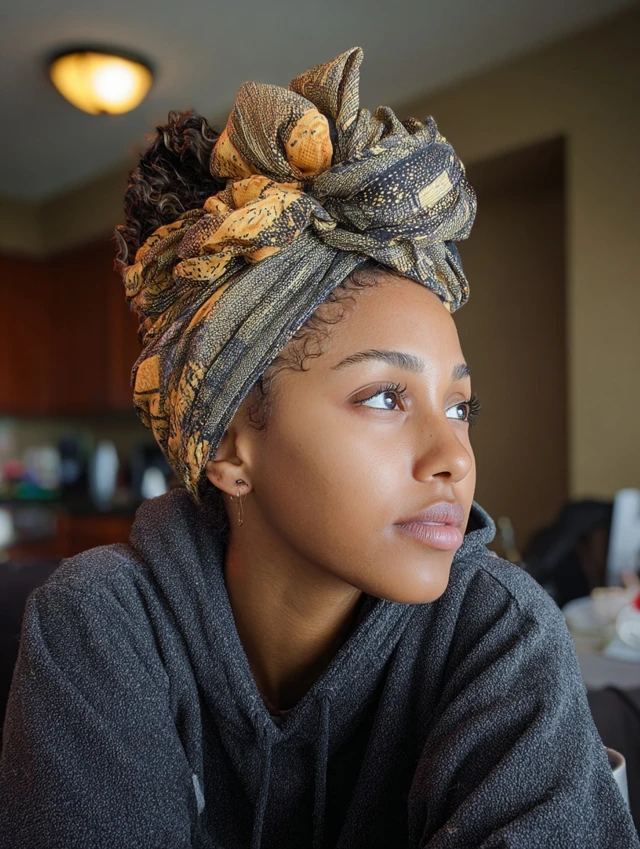
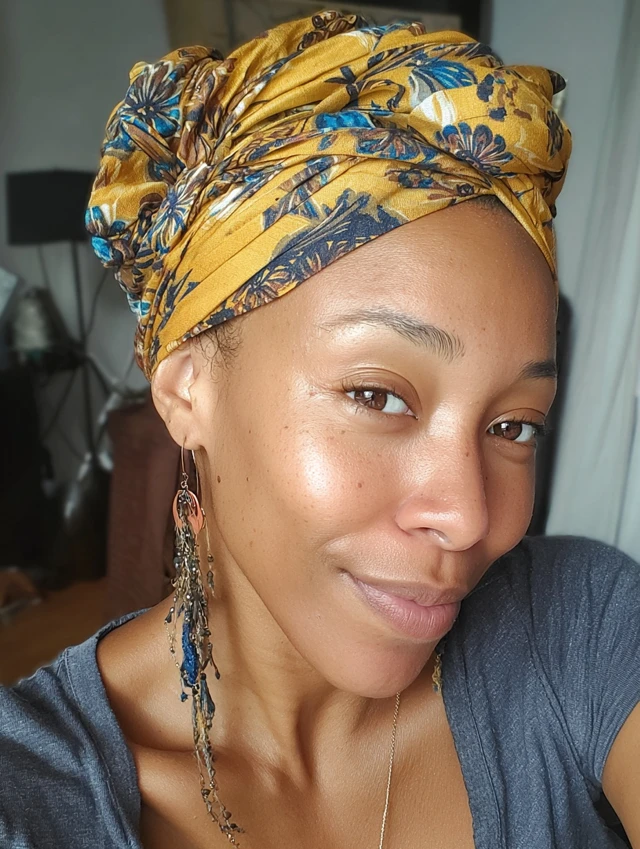
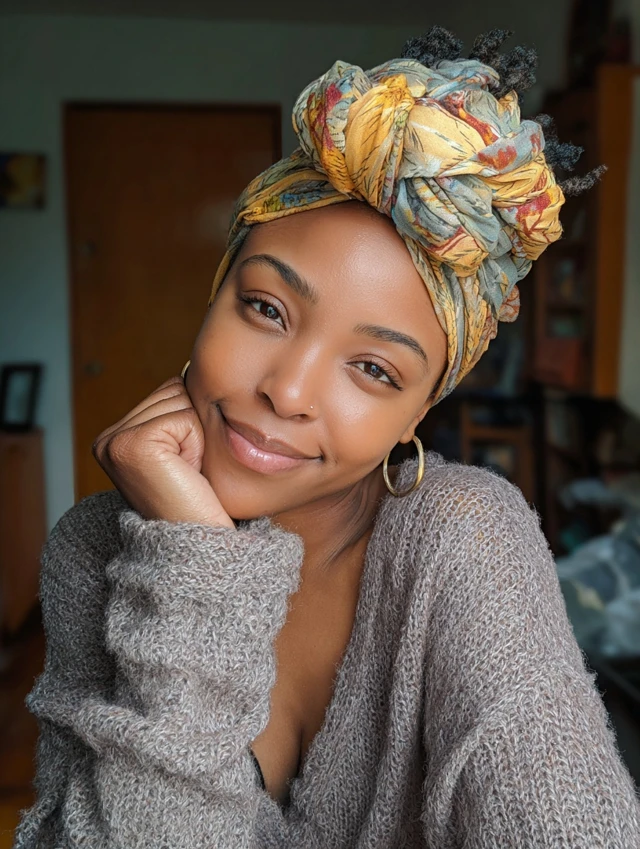
A headwrap protects hair completely. It suits all lengths of thin hair. This option reduces daily manipulation and shields strands from friction.
1
2
3
4
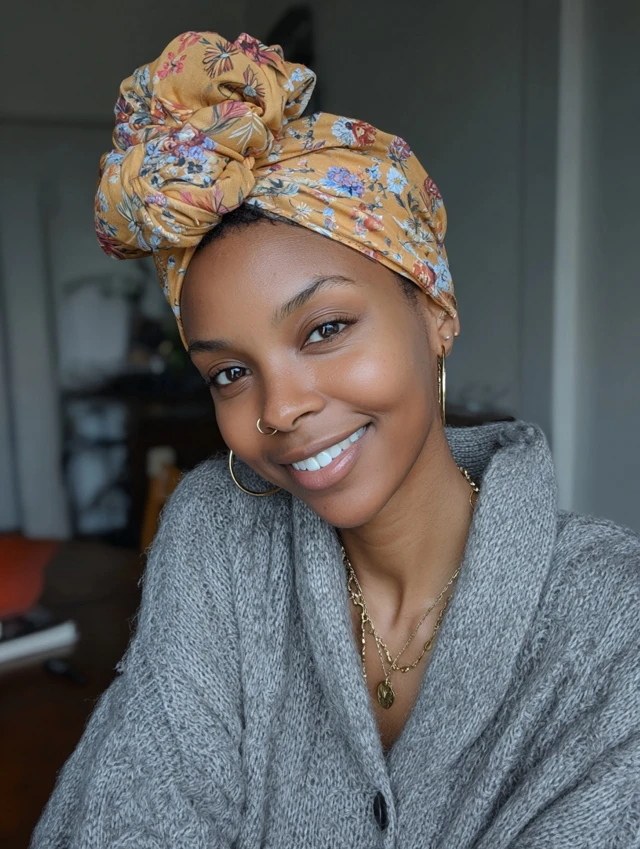
Moisturize first and wrap gently. This style works for errands, travel, and relaxed days. It’s simple and protective.
How to Protect Thin Hair Properly
Avoid tight tension at the hairline. Use lightweight products that don’t weigh strands down. Deep condition regularly to strengthen hair. Limit heavy extensions or thick braids. Sleep on satin or silk to reduce friction. Trim regularly to prevent split ends from spreading. Protection works best when it’s gentle.
Final Thoughts on Protective Hairstyles for Thin Hair
Protective hairstyles for thin hair should feel comfortable and lightweight. The goal is to preserve strength and reduce breakage. Simple styles often work better than complex ones.
Thin hair can grow and thrive with the right care. Focus on tension-free styling and moisture. So tell me, would you choose loose braids or a soft low bun to protect your thin hair?