A long pixie bob looks like a pixie from the back and a bob from the front. The nape is cut short and layered, the crown has lift, and the front pieces fall anywhere from the earlobe down to the jaw. That split is what makes it so easy to live with, because the heavy part of a bob is gone while the face still gets some framing.
Stylists interpret the name differently, so show a photo and name the exact point the front should reach. Everything about the cut stays well above the shoulders.
Classic Long Pixie Bob
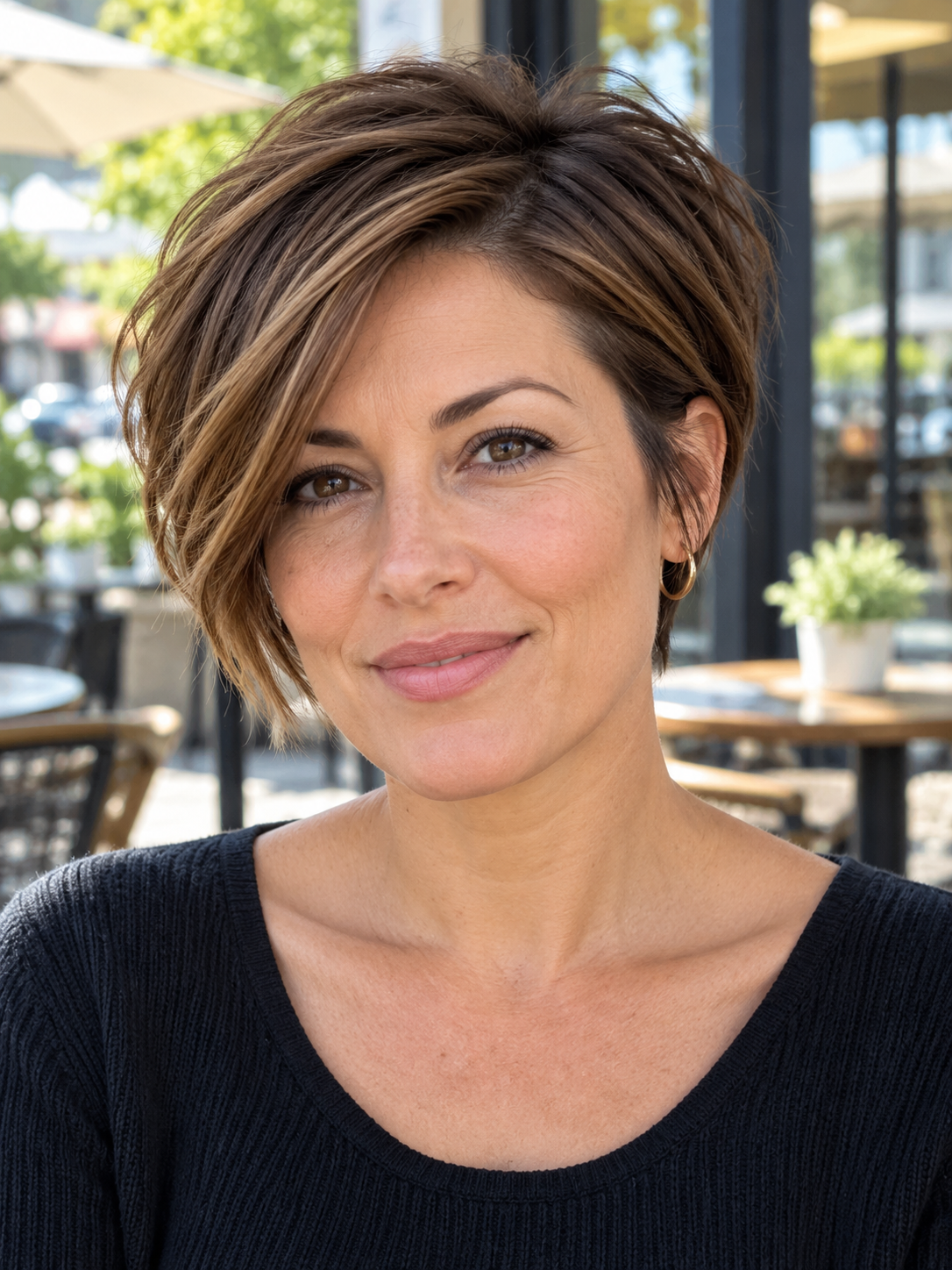
Jaw-length pieces in front, a tapered nape in back, and soft layers connecting the two. This is the version most people picture when they hear the name. A side part gives the front some swing and keeps the top from looking flat. Blow dry with a small round brush, aiming the front pieces forward toward the chin. A drop of smoothing oil on the ends finishes it. The cut needs a trim every six weeks to keep the nape tidy.
Wavy Long Pixie Bob
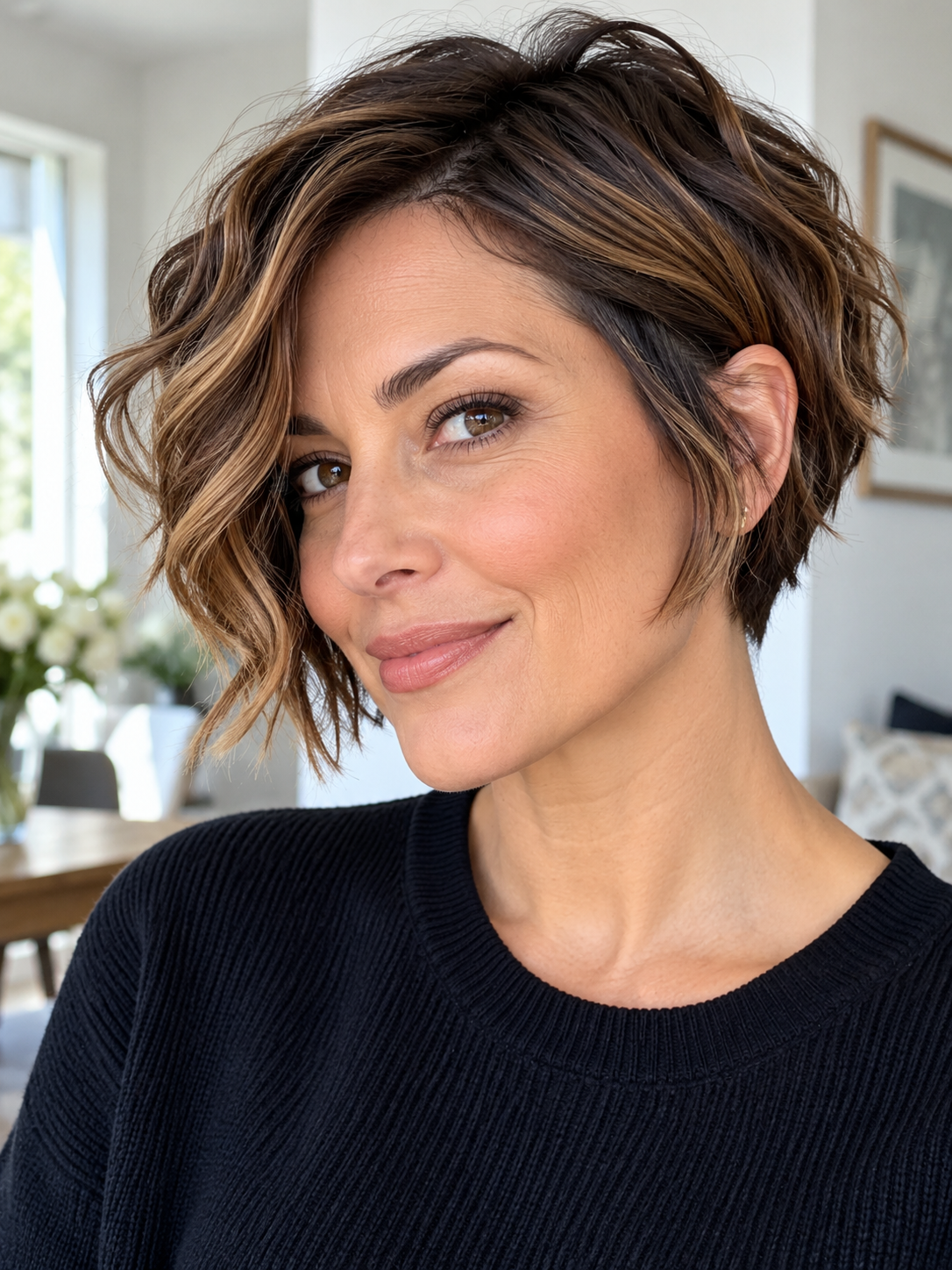
Loose waves through ear-to-jaw length pieces turn a neat cut into something relaxed. The waves need to be soft and bent rather than tight, or the hair bunches up and looks shorter than it is. Wrap small sections around a one-inch iron for two seconds each, alternating direction. Shake it out with your fingers and set with a light hairspray. Hair with a slight natural wave holds the bend longest.
Stacked-Back Long Pixie Bob
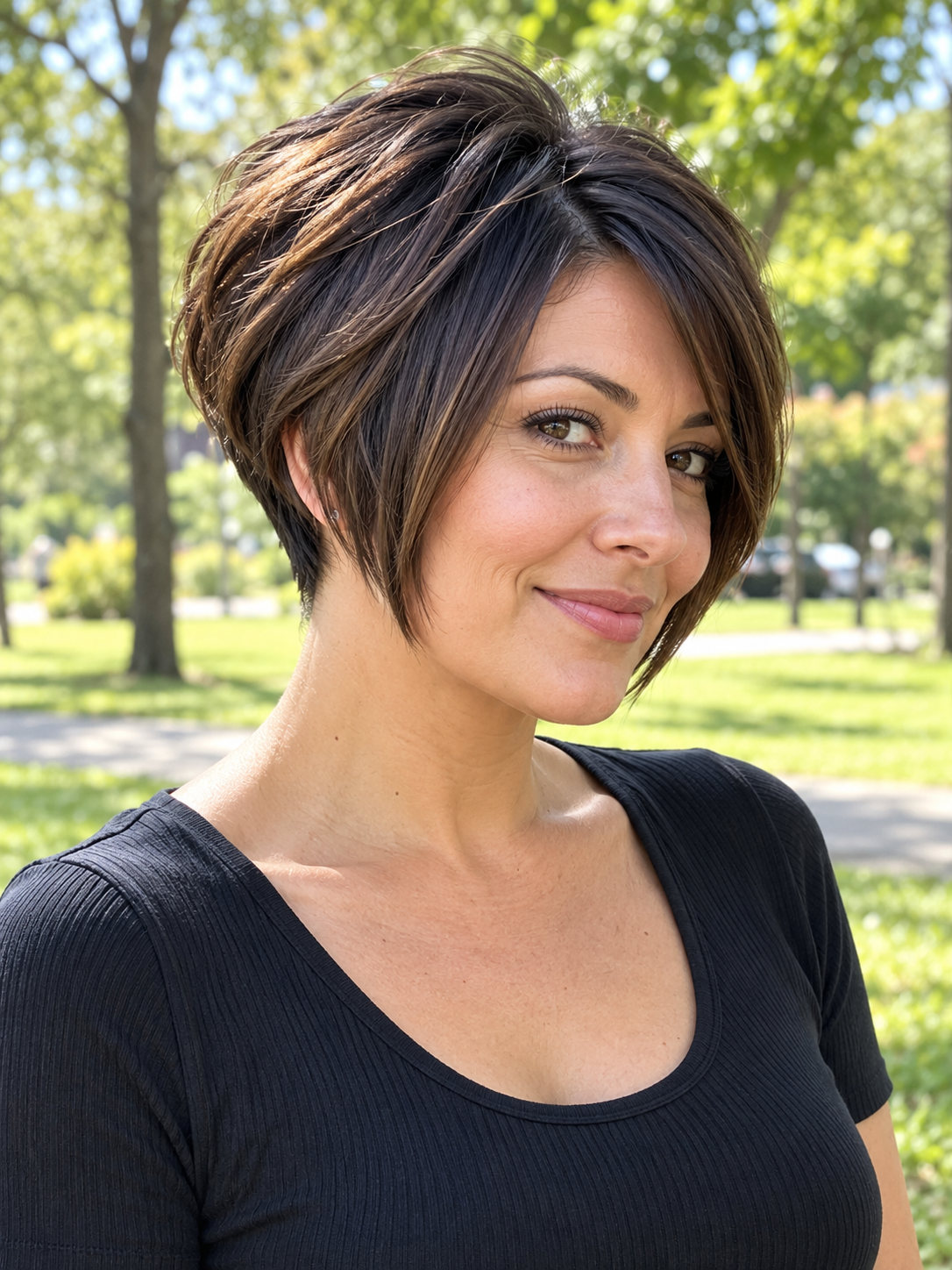
Tightly stacked layers at the back lift the crown into a rounded shape, while the front stays long and angled to the jaw. From the side you see the full curve of the stack. Ask for the stacking to start just above the nape and build upward. Dry the back with your head tipped forward to set the volume. Thicker hair carries this well because the stack holds without product.
Curtain Bang Long Pixie Bob
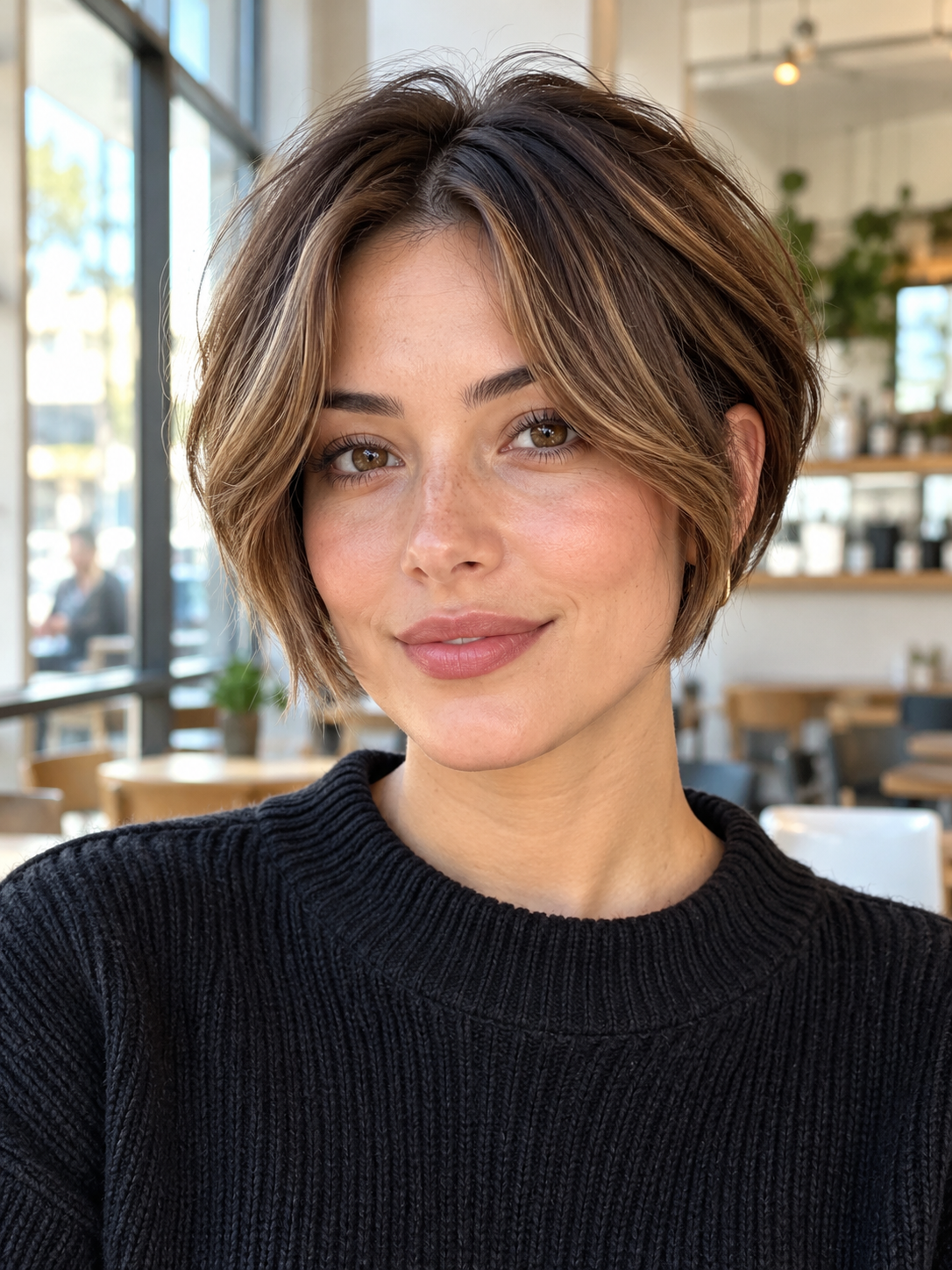
Center-parted bangs sweeping off to each side give the long pixie bob a softer frame around the eyes. The bangs should connect into the jaw-length sides, so there’s no obvious step between them. Round brush the bangs away from the center and let the rest dry naturally. Because the back is short, the bangs become the focal point. Keep them cheekbone length at their shortest.
Side-Swept Long Pixie Bob
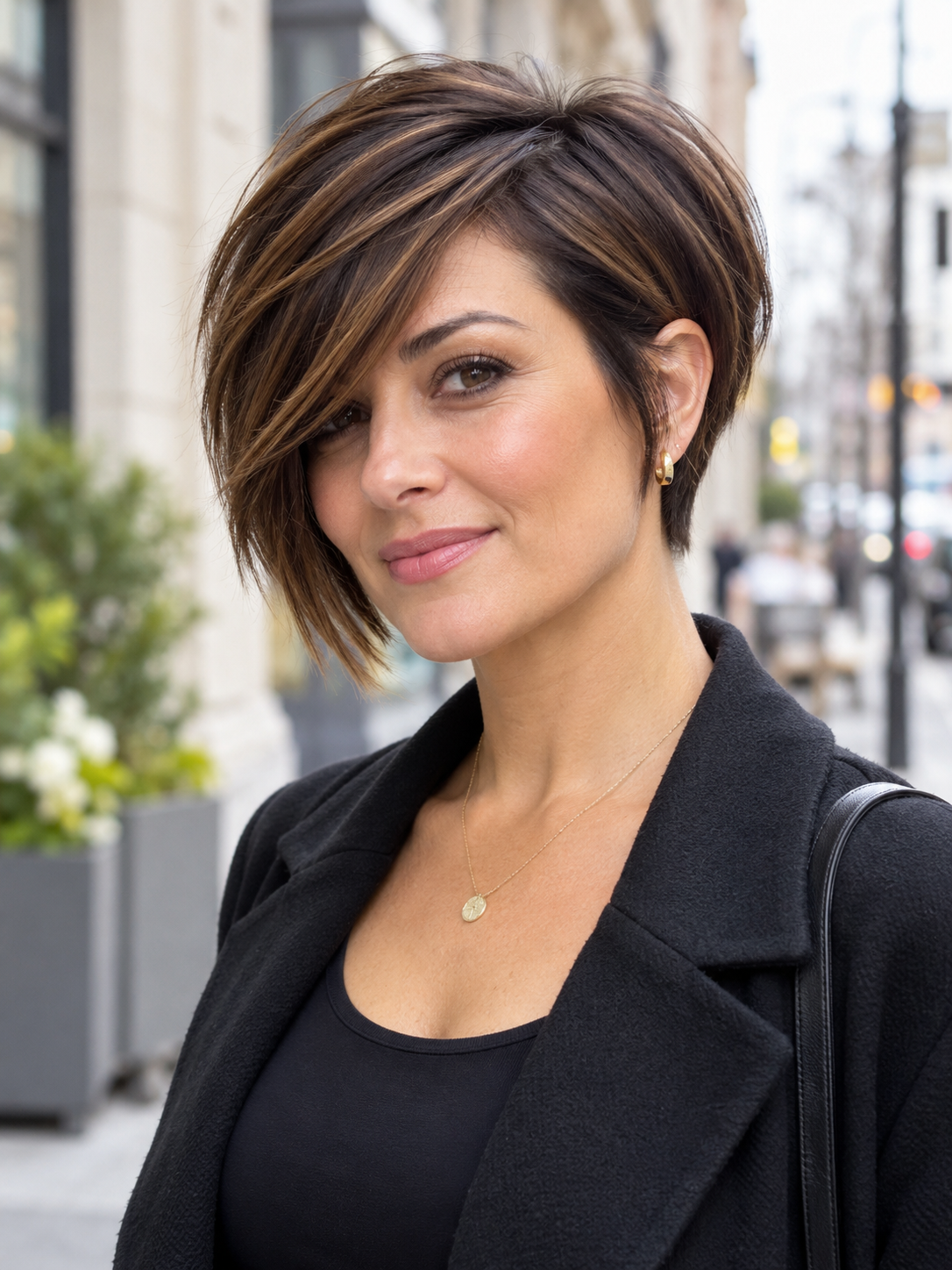
A deep side part and a long fringe swept across the forehead make this the most dramatic version of the cut. One side falls to the jaw while the other side is cut shorter and tucked. The sweep covers one brow and skims the top of the cheekbone. Blow dry the fringe in the opposite direction first, then flip it. Hold it with a light pomade worked through the fingertips.
Choppy Textured Long Pixie Bob
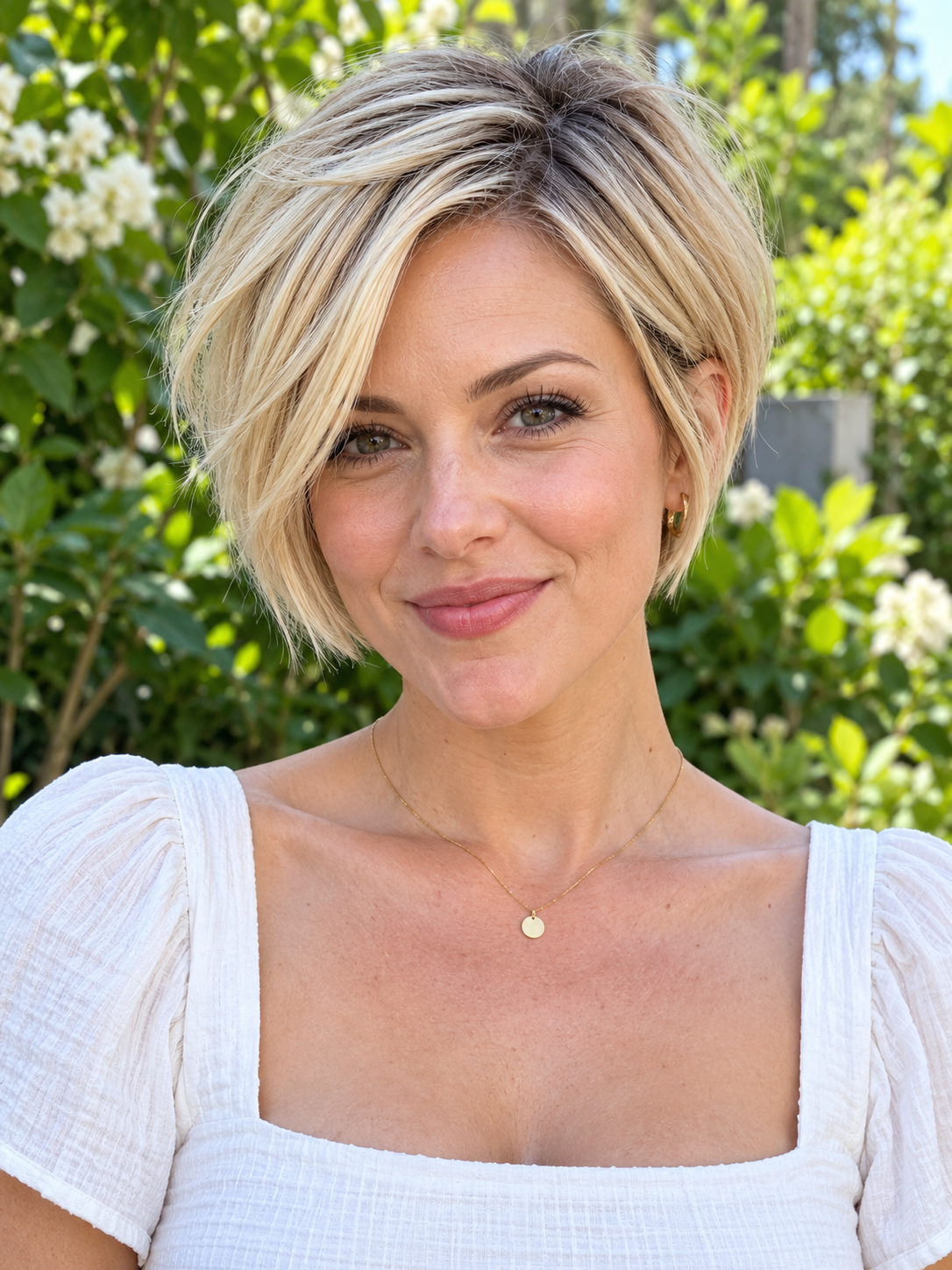
Ends snipped into uneven pieces, hair sitting between the ear and the jaw, nothing combed into place. The texture is cut in, so styling only means pushing pieces around. Rub a small amount of texture paste between your palms and rake it through dry hair. Point the front pieces forward and lift the crown slightly. Grown out, it still looks intentional, which stretches the time between appointments.
Blonde Long Pixie Bob
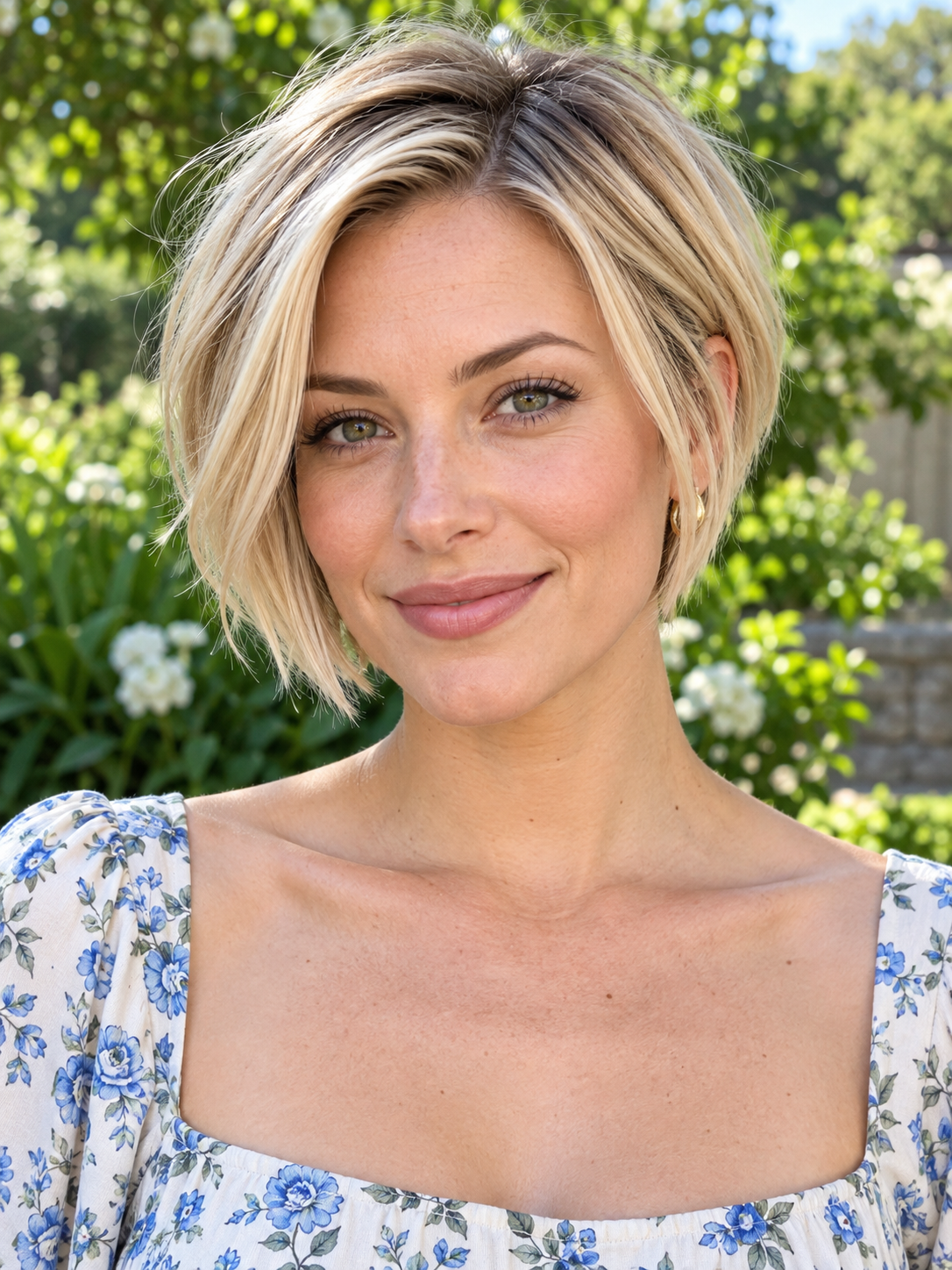
Bright blonde on a long pixie bob shows every layer, since light hair catches shadows at each cut line. Keep the shade a step or two lighter than the natural base so regrowth stays soft. Lifting to a pale blonde is a commitment on dark hair, with toning every few weeks. Purple shampoo once a week keeps brassiness down. The shorter length means you can afford more frequent color, because less hair is being processed.
Silver Long Pixie Bob

Natural silver and white hair in an ear-to-jaw pixie bob has a clean, sharp finish that longer gray hair struggles to match. The shortness keeps coarse gray strands from going wiry at the ends. Shine serum through the front pieces adds polish. A violet toner every couple of months stops the white from yellowing. The short back also makes growing out dye to natural gray much faster.
Curly Long Pixie Bob
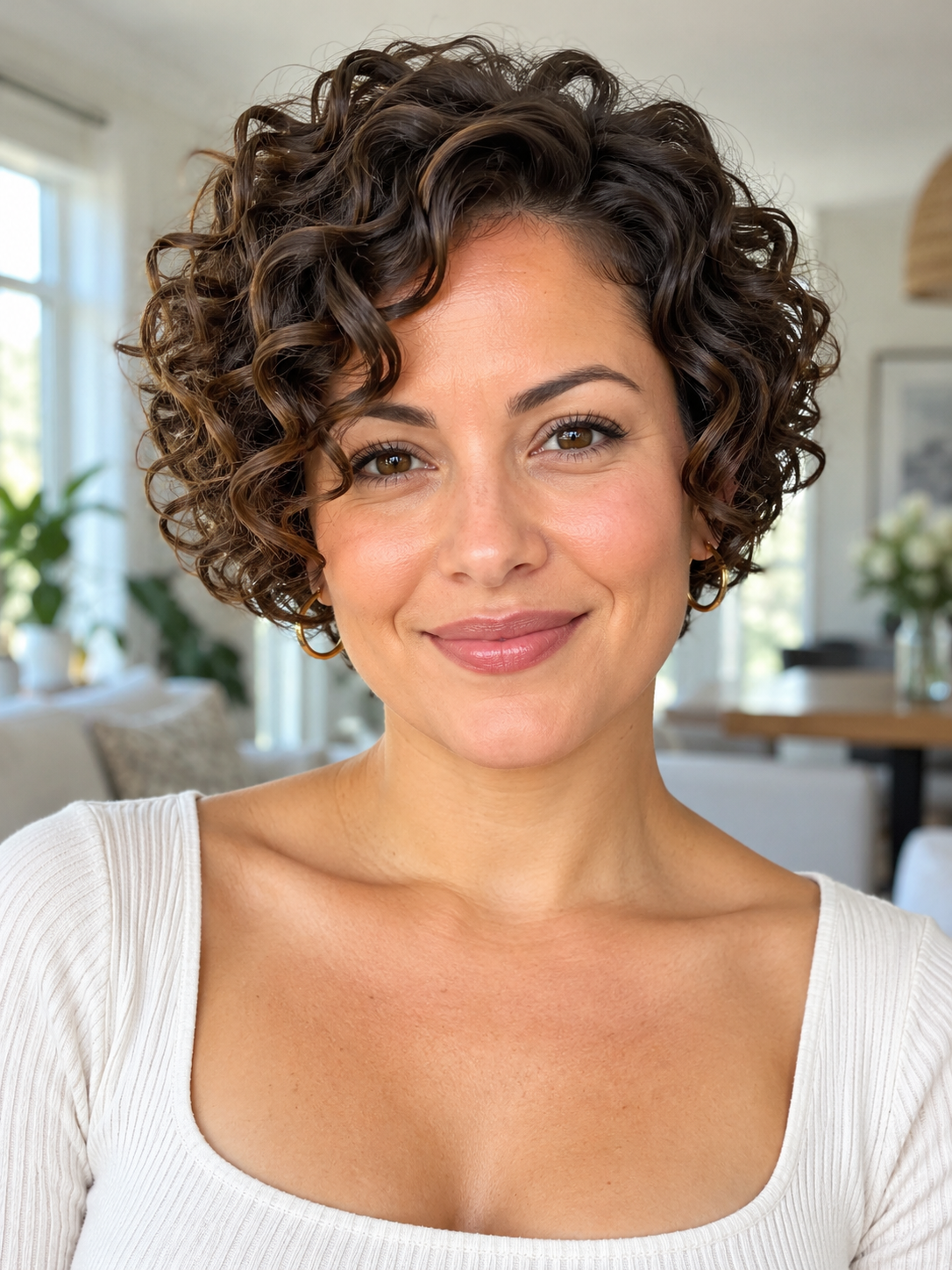
Curls cut to the jaw in front and cropped short at the nape spring up into a full, rounded shape. Cut it dry so the stylist can see where each curl lands once it shrinks. Apply curl cream to soaking wet hair, scrunch, and diffuse on low. Leave the front pieces slightly longer than the sides to allow for shrinkage. The short nape means less bulk at the back of the head.
Undercut Nape Long Pixie Bob
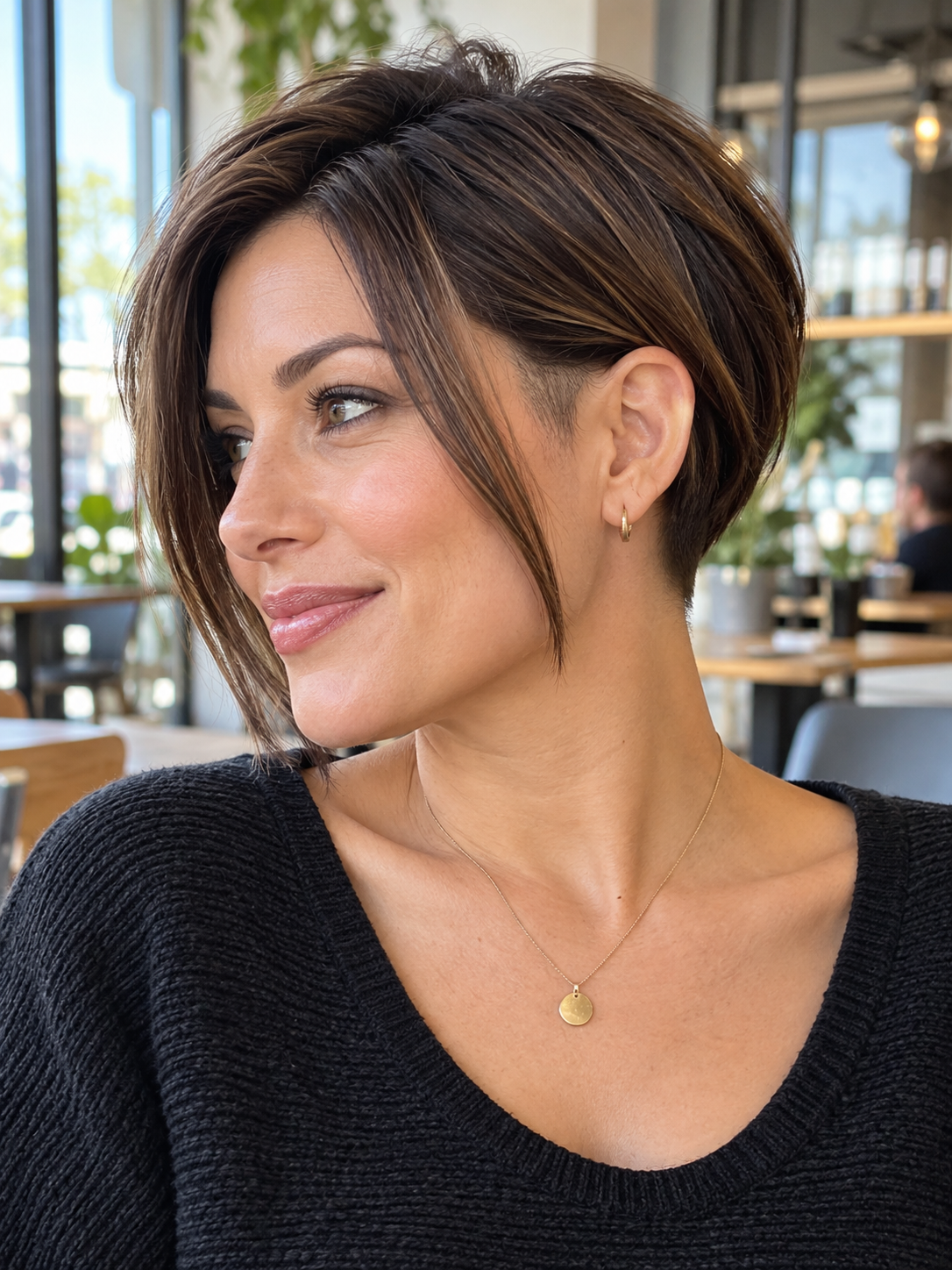
A shaved or closely clipped section at the nape sits hidden under jaw-length pieces until the hair is tucked or moves. The undercut removes bulk and keeps the back from puffing out. Everything above it stays soft and layered. Thick hair that gets heavy at the neckline benefits most. Clipper the undercut every three to four weeks to keep it sharp. From the front, nothing gives it away.
Asymmetrical Long Pixie Bob
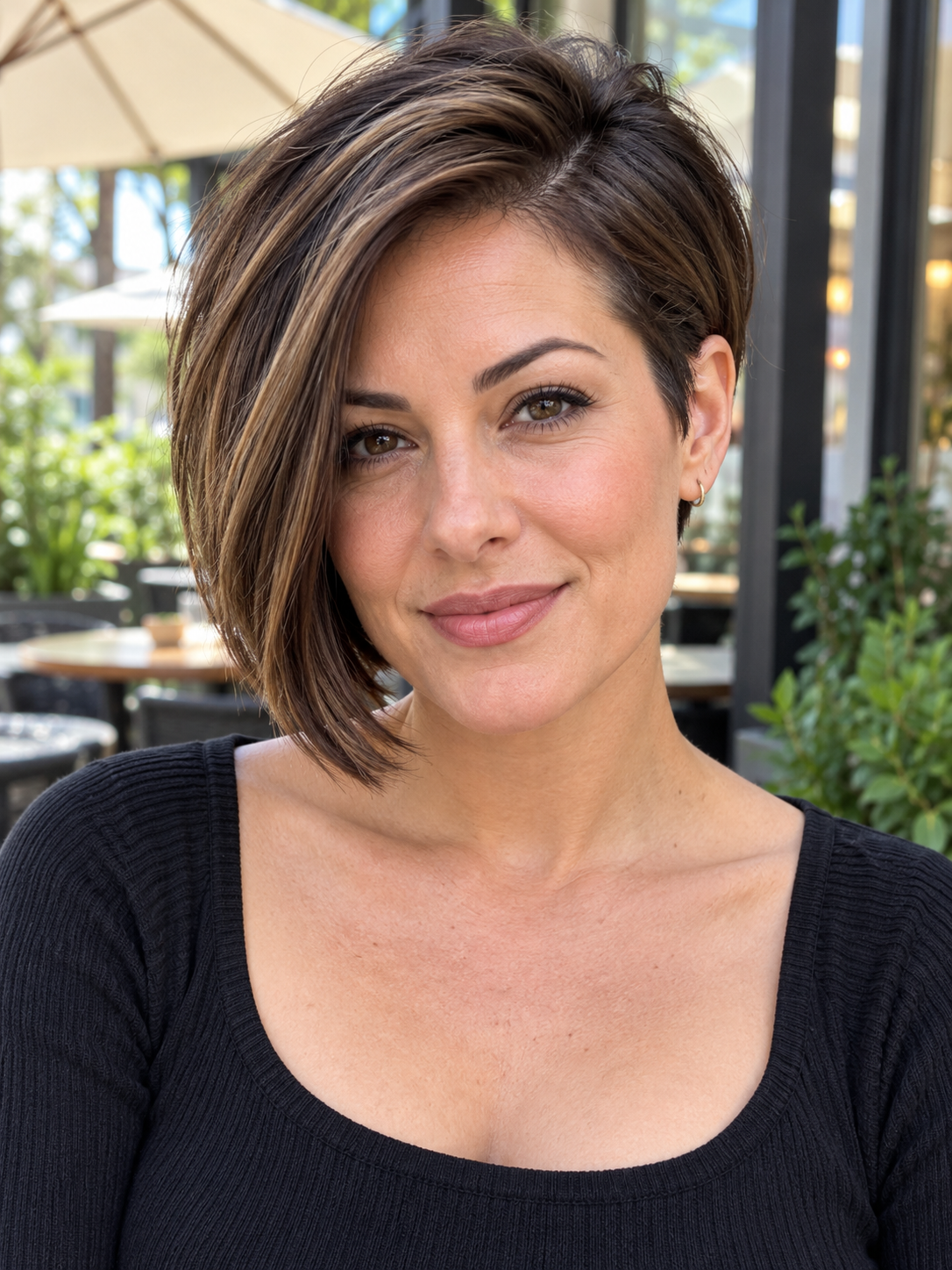
One side falling to the jaw and the other side cropped above the ear creates a cut with a clear direction. The longer side gets most of the attention, so keep it smooth. The shorter side can be tucked or left slightly textured. A deep part on the short side exaggerates the difference. Style with a flat brush and a light cream. It takes confidence, and it photographs well from the longer side.
Sleek Tucked Long Pixie Bob
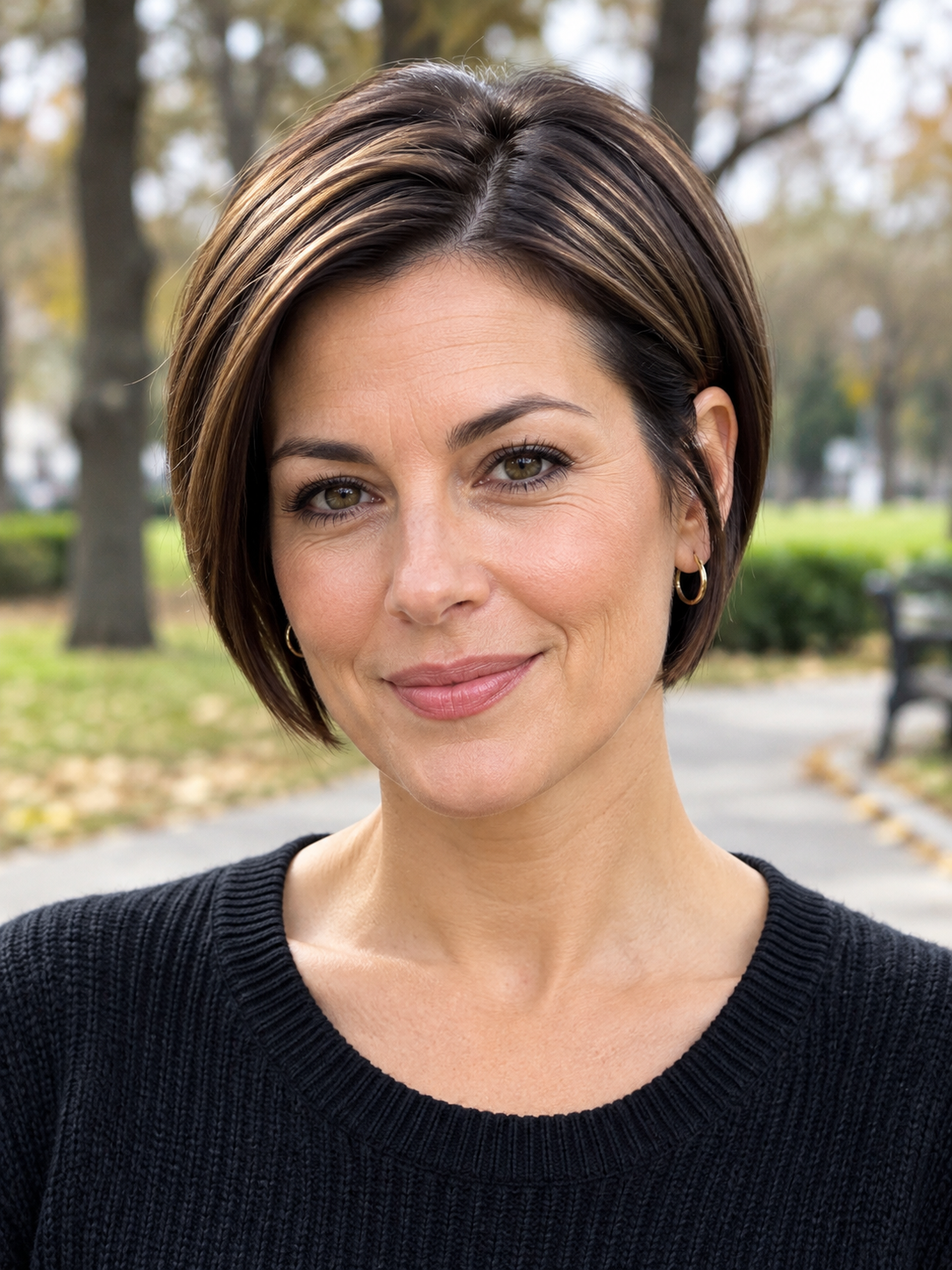
Smooth, glossy, and tucked behind both ears, this version shows off the shape of the cut rather than its texture. Flat-iron the jaw-length front pieces straight, then press a small amount of shine serum through them. Tuck both sides and let the short back sit flat. Naturally straight hair gets here with almost no effort. Save it for settings where tousled hair would feel out of place.
Wispy Bang Long Pixie Bob
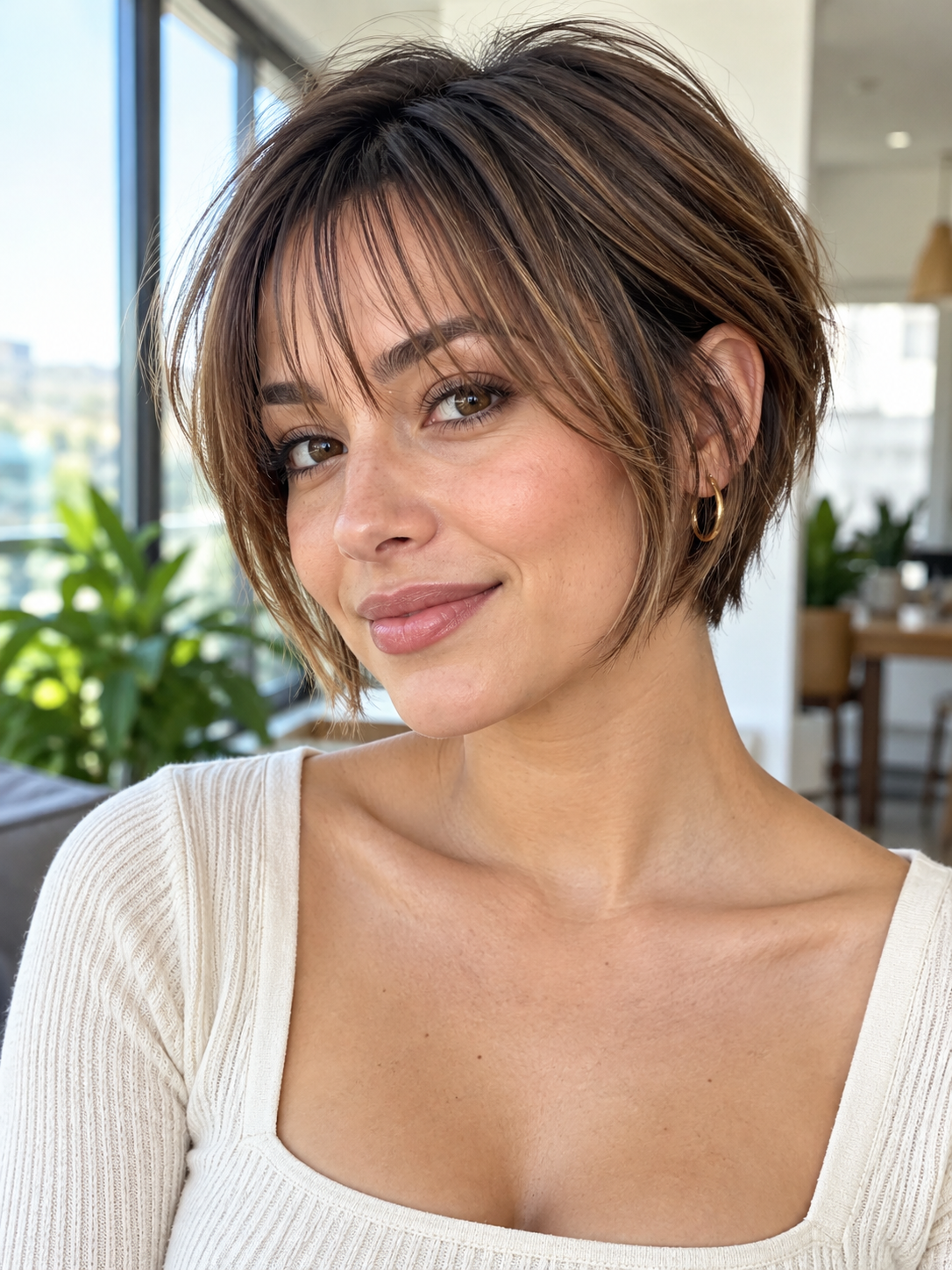
Thin wispy bangs grazing the brows soften the forehead above an ear-to-jaw pixie bob. The bangs are cut sparse so the skin shows through, which keeps them from looking heavy against the short back. Dry them downward with your fingers, then separate them gently. They blend into the sides without a visible line. Trim the bangs every three weeks, since even a quarter inch changes the look.
Face-Framing Long Pixie Bob

Two longer pieces at the front reaching the chin, with everything behind them cut shorter and layered. The front pieces draw a soft line around the face while the rest stays low maintenance. Ask for the framing pieces to be slightly angled, not blunt. Smooth them forward with a flat brush and leave the back to air dry. The contrast between long front and short back is what defines the look.
Highlighted Long Pixie Bob
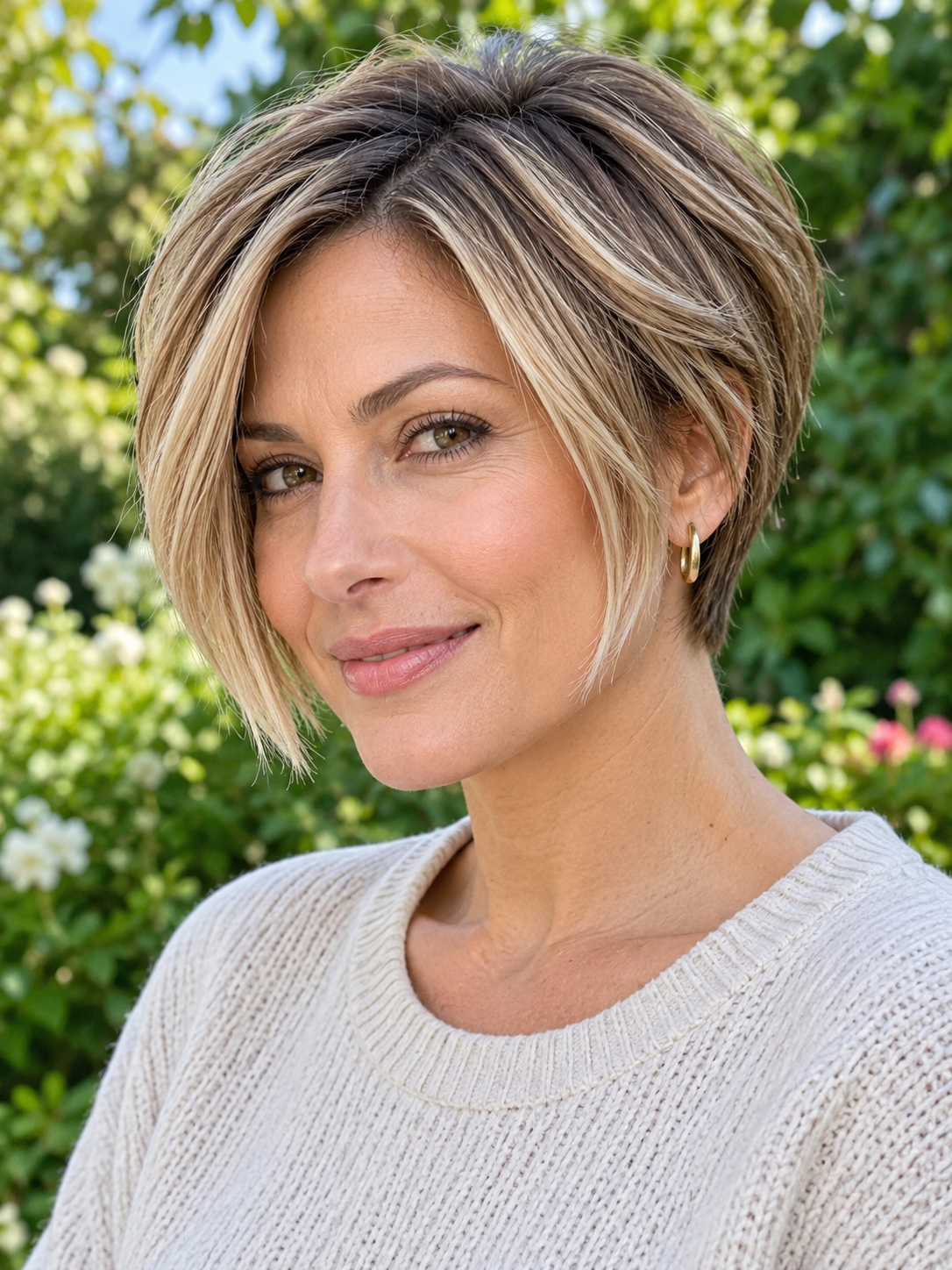
Fine babylights woven through a brown or dark blonde long pixie bob make the layers visible from across a room. Keep the highlights thin and concentrated around the face and crown, where the light hits. The shorter length means highlights show at every angle, so blending matters more than on long hair. Color-safe shampoo keeps the contrast from washing out. Touch-ups every ten weeks keep the regrowth soft.
Center-Part Long Pixie Bob
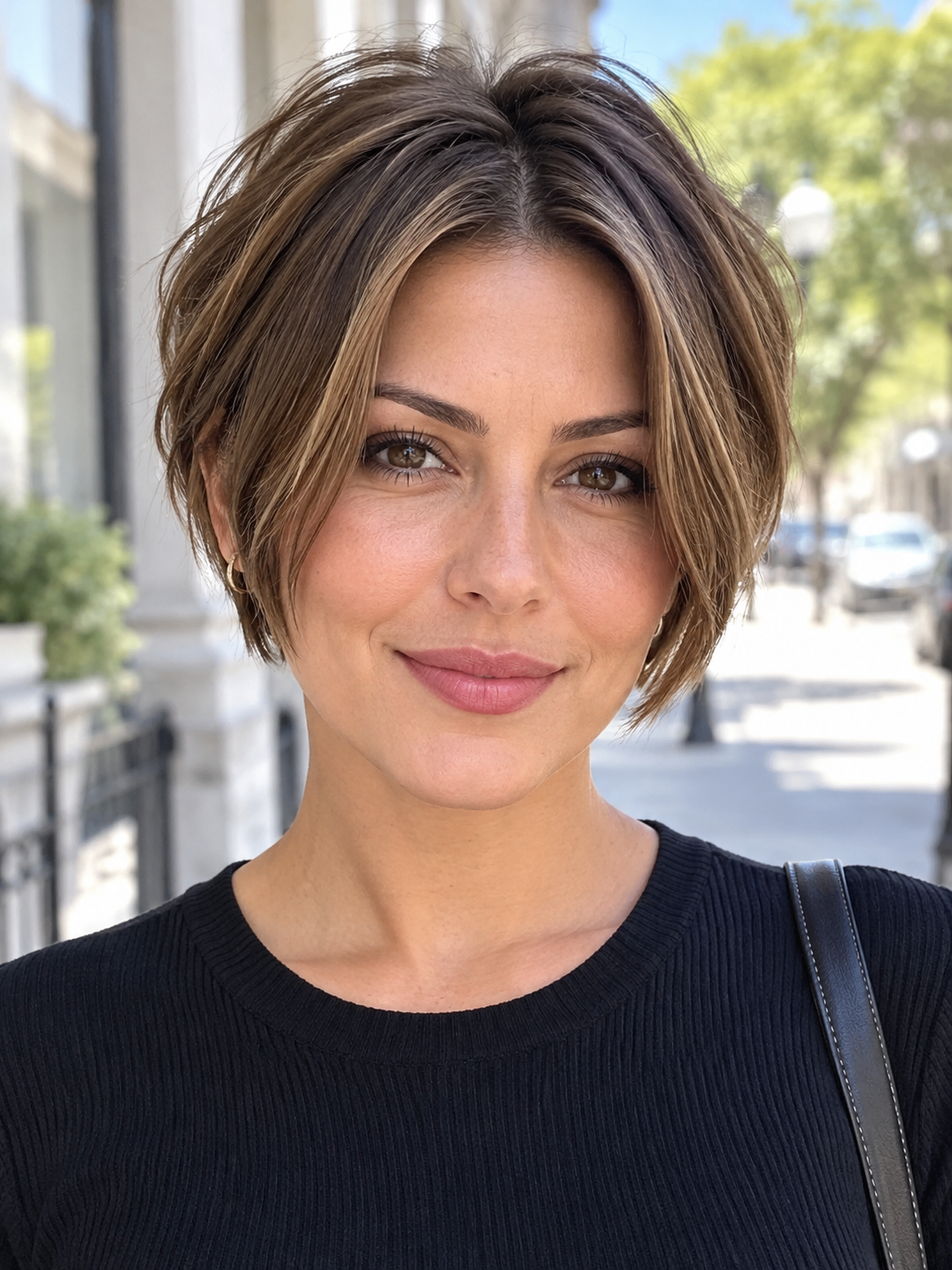
A straight center part on a jaw-length pixie bob splits the front into two matching curtains and leaves the short back on display. It flattens the crown slightly, so add volume at the roots with a lifting spray. Dry each side down and slightly forward. The symmetry gives the cut a modern, minimal look. It needs very even front lengths, so point out any unevenness at your trim.